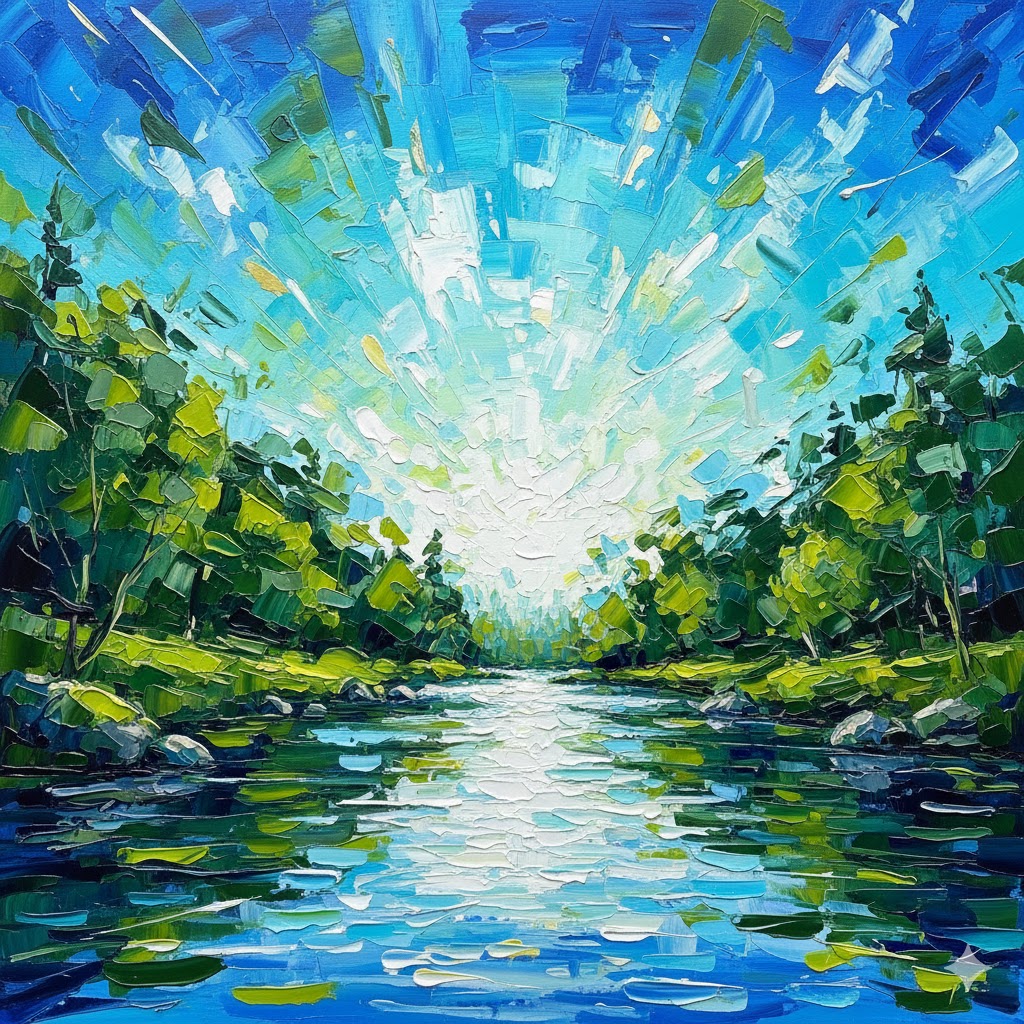
Strangers return to us
the way moonlight returns to water—
quietly,
without permission,
without explanation,
as if the night itself has leaned in
to remind the river of its own shimmering.
Some faces remain
not because they stayed,
but because they passed through
at the exact angle
where the soul was thinnest.
There is an Elven logic to it—
the kind that trees understand,
and old songs remember:
that not every meeting is meant
for the visible world.
Some are meant for the undercurrent,
the deep pulse beneath language,
where footsteps echo long after
the wanderer has vanished.
Strangers carve runes in us
without touching our skin.
A glance becomes a prophecy.
A smile becomes an inheritance.
A silence becomes a door
we keep opening,
hoping one day it leads somewhere
other than ourselves.
And still,
the memory remains—
soft as moss,
sharp as starlight—
a name we never learned
but somehow still breathe
in moments we cannot explain.
Perhaps we do not forget them
because they were never strangers
to begin with.
Perhaps they belonged to a story
that brushed past ours,
two threads grazing in the loom
of something larger than intention.
Or perhaps—
and this the wind whispers
in its oldest voice—
some souls are simply shaped
to awaken something sleeping in us,
then fade before we can ask why.
Not all gifts arrive in presence.
Some arrive as absences
that refuse to leave.
So we carry them—
those brief, impossible people—
like lanterns whose flames
do not warm,
do not burn,
but illuminate nonetheless
a path we never meant to walk.
And somewhere,
in the quietest fold of the night,
their memory stirs—
light-footed, silver-veined,
like an Elven traveler slipping
through the borders of dreams—
reminding us
that the heart is ancient,
and it forgets nothing
that was meant
to change it.